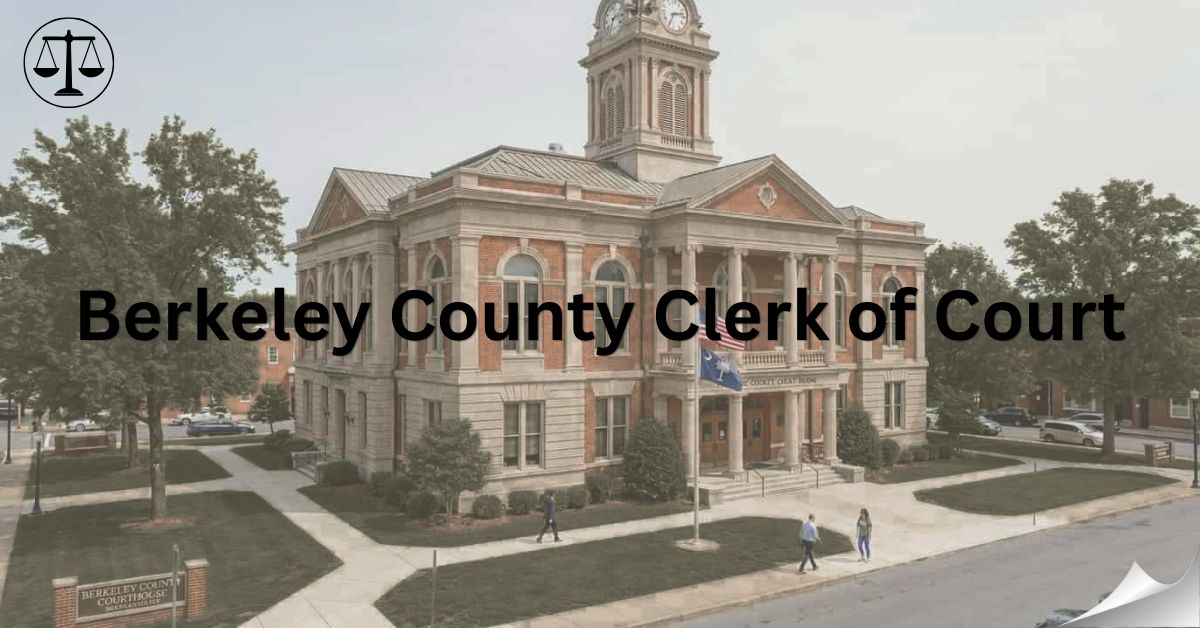
The Berkeley County Clerk of Court handles many important court public services for local residents, attorneys, and businesses. The office keeps official court files, legal paperwork, and hearing records organized within the county legal system. Many people use the county clerk office to file documents, request certified copies, or check case updates connected to civil, criminal, family, and probate matters. Court staff support daily court administration by processing legal forms, maintaining records, and managing schedules linked to active court cases. These services help keep public legal information available through structured record systems and courthouse operations.
The office supports legal records access through in-person services and online court systems used across the county. Residents often search court calendars, review filing details, or locate public case information for legal and personal needs. Legal professionals depend on the Berkeley County Clerk of Court for accurate filing procedures, updated docket records, and official document processing. The office plays an important role in maintaining transparency within the local court system. Public record management, case tracking, and administrative support help courts operate efficiently while giving residents reliable court-related information through trusted county services.
Current Clerk of Berkeley County
The current Berkeley County Clerk of Court is Leah Guerry Dupree. She has served in this elected court leadership position since November 2018 and continues managing court administration and judicial record services for Berkeley County.
Clerk Leadership and Court Administration
Leah Guerry Dupree brings years of courtroom and judicial experience to the clerk’s office. Before becoming the current clerk Berkeley County residents rely on, she worked as an Official Court Reporter for the South Carolina Judicial Department. Her background helped build strong knowledge of courtroom procedures, legal documentation, and court administration systems. The berkeley county clerk of court office supervises many important court functions across the county. The clerk acts as the central judicial administration head for court records, filing operations, and courtroom documentation.
Main duties handled by the office include:
- Managing civil and criminal court filings
- Maintaining family court and judicial records
- Supervising deputy clerks and court personnel
- Supporting public court record requests
- Organizing hearing schedules and legal documentation
- Maintaining electronic court databases
These responsibilities support accurate public record management and smoother court operations across Berkeley County.
Public Records Authority and Modern Court Services
As an elected court official, Leah Guerry Dupree oversees recordkeeping systems tied to public court records and legal filings. The office works to keep case files organized, searchable, and available through approved court systems. The clerk’s office continues improving digital court services and online case management tools. These updates support faster case information access and better service for attorneys, residents, and court staff. Electronic systems now help manage:
| Court Service | Clerk Office Role |
|---|---|
| Judicial Records | Store and maintain court files |
| Online Legal Database | Support digital case systems |
| Public Record Requests | Provide court-related documents |
| Court Scheduling | Coordinate hearing calendars |
| Case Filing Systems | Process legal filings and updates |
Responsibilities of the Clerk of Court
The Clerk of Court manages court records, legal filings, and many daily court operations within Berkeley County. The office supports judges, attorneys, law enforcement agencies, and the public through organized recordkeeping and court administration services. The Berkeley County Clerk of Court handles a wide range of duties tied to judicial records and legal documentation. These responsibilities help courts operate smoothly and keep official records accurate for future reference.
Maintaining Official Court Records
One of the main clerk services involves maintaining official court files and judicial documents. The office stores records connected to criminal, civil, probate, family, and traffic court cases. Strong records management practices help protect important legal information and support long-term case record maintenance. Organized files make court searches faster for attorneys, residents, and government agencies.
Court staff manage:
- Case files and court dockets
- Hearing schedules and courtroom records
- Judgments and legal orders
- Warrants and sentencing records
- Public court documents
Managing Legal Filings and Court Documents
The Clerk of Court operates as the county’s central court administration office for legal filings and document handling. The office receives, reviews, and processes paperwork submitted to the court system. This legal filing system helps track court activity and keeps records updated within official databases.
Common filing services include:
| Filing Type | Clerk Office Function |
|---|---|
| Civil Filings | Process lawsuits and motions |
| Criminal Records | Maintain prosecution documents |
| Family Court Forms | Handle custody and divorce paperwork |
| Probate Documents | Record estate-related filings |
| Traffic Cases | Process citations and court updates |
Court Forms Processing and Administrative Support
The clerk’s office handles many duties connected to court forms processing and courtroom preparation. Staff members review documents for accuracy before filing them into the county judicial system. Accurate document handling supports court efficiency and reduces delays during legal proceedings.
The office may process:
- Summons and subpoenas
- Appeals paperwork
- Court fee payments
- Affidavits and motions
- Certified record requests
Supporting Public Record Access
The Clerk of Court plays an important role in public transparency by helping residents review approved court records. Many counties now use electronic databases to improve public record searches and digital court services. Public record services help improve trust in the judicial system and support easier case information searches across Berkeley County.
Residents often visit the office or online systems to:
- Search court case information
- Request certified copies
- Review hearing dates
- Verify case status updates
Types of Records Maintained by the Clerk Office
The Clerk Office maintains many types of court records Berkeley County residents may need for legal, personal, or business purposes. These records help organize court activity and preserve important legal information within the county judicial system. The office manages legal case files connected to multiple court divisions and stores them within the official judicial records archive. These public record categories may include civil disputes, criminal proceedings, probate matters, family court filings, traffic violations, and other judicial documents created during court proceedings. Many individuals use these records case search to verify legal information, review court actions, confirm filing dates, or monitor ongoing cases. Businesses, attorneys, researchers, and residents often rely on accurate judicial records when handling legal matters, property issues, or background reviews within Berkeley County.
Civil Case Records
Civil court records involve disputes between people, businesses, or organizations. These files may include lawsuits, property disagreements, contract disputes, and debt-related cases. Court staff maintain records such as motions, judgments, court orders, and hearing details connected to civil proceedings. Many residents search these public record categories for case updates or certified copies. Civil records often contain detailed timelines showing how a case moved through the court process. Attorneys and business owners frequently review these files before hearings or legal negotiations. Some civil court documents may include settlement agreements, payment disputes, landlord and tenant matters, or insurance-related claims. The Clerk Office keeps these records organized so judges, legal professionals, and residents can review accurate information when needed. Proper records management supports fair legal proceedings and helps preserve important court history connected to county civil matters.
Criminal Case Files
Criminal court files contain records connected to arrests, criminal charges, warrants, sentencing, and court hearings. The Clerk Office stores documents submitted by prosecutors, law enforcement agencies, and defense attorneys during criminal proceedings. These legal case files help courts track active and closed criminal matters within Berkeley County. Many criminal records include booking information, court motions, plea agreements, probation details, and sentencing outcomes. Judges and attorneys depend on accurate criminal files during hearings and legal reviews. Court staff update case records after each hearing so official information remains current within the judicial records archive. Some criminal files may have restricted sections controlled by court rules or state laws. Organized recordkeeping supports transparency, courtroom efficiency, and proper legal documentation handling for criminal proceedings within the county court system.
Family and Probate
Family court records often include divorce cases, child custody matters, support orders, and domestic relations filings. Probate records involve wills, estates, guardianships, and related legal proceedings after a person’s death. The office maintains these records carefully since some files may contain sensitive legal information controlled by court rules. Family court cases often involve ongoing legal updates connected to custody schedules, child support payments, or protective orders. Probate matters may contain estate inventories, executor appointments, inheritance disputes, and guardianship records. Attorneys, family members, and court officials frequently use these legal case files during active proceedings. Court staff organize each document carefully to support accurate case tracking and long-term storage. Proper management of family and probate records helps preserve important legal information while supporting structured court administration throughout Berkeley County.
Traffic and Minor Violations
Traffic records include speeding tickets, parking violations, driving offenses, and other minor court matters. These files may show payment status, hearing dates, or court decisions connected to traffic citations. Many residents review these court records Berkeley County systems to check fines or case outcomes. Minor violation records may include license issues, local ordinance violations, or misdemeanor traffic offenses handled through county courts. Court staff process payment updates, hearing schedules, and legal notices connected to these cases. Drivers often request copies of traffic records for insurance, employment, or legal purposes. Accurate documentation helps courts manage large numbers of traffic-related filings efficiently each year. The Clerk Office continues maintaining these public record categories so residents can review important court information connected to driving and minor legal matters.
Filing and Document Submission Procedures
The Berkeley County filing office handles legal paperwork submitted for civil, criminal, probate, family, and traffic court matters. Proper legal document filing helps courts process cases accurately and keeps official records updated within the county court system. Each document submitted to the filing office must follow court rules, formatting standards, and deadline requirements to avoid delays or rejection. Court staff review filings to ensure that all required information is included before the case proceeds through the legal process. Individuals, attorneys, and businesses may file motions, petitions, complaints, responses, and supporting records depending on the type of case. Accurate filing also helps maintain a clear case history, making it easier for judges, attorneys, and the public to access important court information when needed.
How to File Court Documents
The case submission process usually begins when a person, attorney, or agency prepares documents connected to a court matter. Filers must submit paperwork to the correct court division based on the case type. Court staff review documents during intake before adding them to the official court record. Many filings take place in person at the courthouse clerk counter. Some court systems may support electronic filing services for attorneys and approved users. Filing methods can vary depending on court rules and case categories handled by the Berkeley County filing office.
- Prepare the required legal forms
- Attach supporting documents if needed
- Pay filing fees or submit waiver forms
- Submit paperwork through the document intake system
- Receive a stamped filing confirmation
Required Paperwork for Filing
Legal document filing usually requires complete and accurate paperwork before acceptance. Missing information may delay processing or result in rejected submissions. Court staff review forms for signatures, case numbers, party names, and required attachments. In many cases, filers must also provide valid identification, filing fees, and supporting evidence related to the case. Courts may require documents to follow a specific format, including page size, margins, and notarization rules. Some filings must be submitted before a deadline to avoid legal complications or scheduling delays. After review, the clerk’s office records the documents into the court system and assigns them to the appropriate case file for future hearings, judicial review, and public record management.
Submission Formats and Filing
The Berkeley County filing office may accept paper filings, electronic submissions, or scanned legal documents depending on local court procedures. Court staff often require standard page formatting, readable text, and complete document sections before processing begins. Attorneys often use electronic systems for faster filing updates and case tracking. Residents filing documents independently should confirm current submission rules before visiting the courthouse.
- Printed court forms
- Electronic PDF documents
- Signed legal affidavits
- Certified supporting records
- Payment confirmation documents
Deadlines and Filing Compliance
Filing deadlines play an important role in court proceedings. Many legal documents must arrive before scheduled hearing dates or within court-approved time limits. Missed deadlines may affect court decisions, hearing schedules, or legal rights connected to a case. Filing compliance rules help maintain accurate records and organized court operations. Court staff review submissions for formatting, signatures, filing fees, and procedural accuracy during intake processing. Timely legal document filing supports efficient court administration and helps prevent delays within active court cases. Residents and attorneys should review court instructions carefully before submitting paperwork through the county document intake system.
| Filing Category | Submission Method | Common Documents | Possible Fees |
|---|---|---|---|
| Civil Court | In-person or electronic filing | Complaints, motions, summons | Filing fee required |
| Criminal Court | Clerk intake submission | Warrants, charging records | Court-based fees |
| Family Court | Paper or digital forms | Divorce petitions, custody forms | Filing and service fees |
| Probate Court | Clerk office filing | Wills, estate petitions | Probate processing fees |
| Traffic Cases | Counter or online payment system | Citations, payment forms | Ticket or penalty fees |
Court Forms Handling and Processing System
The court forms processing system helps the Clerk Office manage legal paperwork submitted for different court matters. Court staff review, organize, and record forms through a structured processing workflow that supports accurate court administration and timely case updates. Each document received by the office is checked for completeness, filing requirements, signatures, and proper case information before it is entered into the court records system. The process also helps maintain organized legal files for civil, criminal, family, probate, and traffic cases. Proper form processing reduces filing errors, improves record accuracy, and ensures that judges, attorneys, and the public can access updated case information when needed through the official court administration system.
Types of Court Forms Accepted
The Clerk Office accepts many legal forms connected to civil, criminal, probate, family, and traffic court cases. Each court division may require different paperwork depending on the filing type and legal matter involved. Residents, attorneys, and law enforcement agencies regularly submit forms for active court proceedings. Some forms may require notarization, supporting records, or certified copies before acceptance into the official case file.
Legal Form Review and Submission Verification
Court staff complete a legal form review before adding documents to the court system. This process checks whether paperwork contains signatures, correct case numbers, filing fees, and required attachments. Submission verification helps reduce errors that may delay hearings or court proceedings. The office may reject incomplete forms if important details are missing or filing compliance rules are not followed. Staff members often review page formatting, document clarity, and filing deadlines during intake processing. Proper verification supports organized records management and accurate court documentation.
Processing Workflow and Timelines
After approval, forms move through the official processing workflow used by the court administration system. Staff scan, file, and update records connected to active cases. Processing timelines can vary depending on case type, filing volume, and court schedules. Simple requests may process within a short period, while probate or family court filings may require additional review before completion. Court staff continue updating records after hearings, judicial decisions, or new filings connected to the case. Organized court forms processing helps maintain reliable public records and supports smooth court operations across Berkeley County.
Digital Access and Records Management System
The records management system used by the Clerk Office helps organize, store, and maintain court information through modern digital systems. Electronic record tools support faster case tracking, secure document handling, and improved public services for residents, attorneys, and court staff. These systems allow court employees to update case information in real time and reduce delays caused by paper-based filing methods. Digital storage also improves record accuracy by minimizing misplaced files and helping staff retrieve documents more efficiently during hearings or legal reviews. Many systems include searchable databases, scheduling features, and automated indexing that simplify daily court operations.
Online Court Record
Many county courts now use an electronic records system to manage civil, criminal, probate, family, and traffic case information. These online systems help users search court calendars, review case status details, and locate public legal records from approved court databases. In many areas, digital court access has improved the way people review legal information without visiting the courthouse in person. Users can often search by case number, party name, hearing date, or filing type to locate relevant records. Court databases may also provide access to docket updates, filing histories, scheduled hearings, and judgment details. This electronic process helps reduce paperwork delays, improves record organization, and allows attorneys, residents, and researchers.
- Online case searches
- Electronic filing updates
- Court schedule reviews
- Payment record tracking
- Digital document requests
Digital Archives and Document Storage
The Clerk Office maintains large digital archives containing official court files and legal documentation. Secure document storage systems help preserve records connected to lawsuits, criminal proceedings, probate matters, and court judgments. Many older paper files are scanned into electronic databases for easier retrieval and long-term preservation. Court staff organize files through structured indexing systems that improve records management efficiency. Digital archives help reduce physical storage demands inside courthouse facilities while supporting accurate case record maintenance. Organized storage practices make it easier for court personnel to retrieve documents during hearings or legal reviews.
Location and Contact Information
The Berkeley County Clerk Office is located at the Berkeley County Courthouse in Moncks Corner, South Carolina. Residents, attorneys, and court visitors use this office for court filings, public record requests, legal document processing, and other court public services. The courthouse location provides public service support for civil court, criminal court, family court, and probate-related matters. Court visitors can request records, submit filings, make payments, or ask questions related to case information during regular court office hours.
Directions and Accessibility Information
The clerk office location sits within the main Berkeley County Courthouse complex near other judicial departments and county legal offices. Parking areas are available near the courthouse for visitors handling court business. Many residents use the Moncks Corner courthouse location for records searches, filing paperwork, and scheduled court appearances. People needing accessibility accommodations or special court assistance may contact the office before visiting the courthouse. Public counters and court administration services operate during standard weekday business hours.
- Address: 300-B California Avenue, Moncks Corner, SC 29461
- Phone Number: (843) 719-4400
- Office Hours: Monday–Friday, 9:00 AM – 5:00 PM
Frequently Asked Questions
The Frequently Asked Questions section helps users better understand how county court records, case searches, and public access systems work. It provides simple answers about finding court cases, checking hearing dates, viewing legal filings, and understanding court record availability. Many users also learn how online court databases handle civil, criminal, probate, family, and traffic records. This section may explain search methods, case status updates, payment information, and public record restrictions. By reviewing these common questions, visitors can save time and better understand how to access court information through official county court systems and approved public record resources.
What does the Berkeley County Clerk of Court office handle?
The Berkeley County Clerk of Court FAQ section often includes questions connected to court records, legal filings, hearing schedules, and public court services. The office manages civil, criminal, probate, family, and traffic court documentation within the county legal system. Court staff process filings, organize official records, prepare hearing dockets, and maintain court files used during legal proceedings. Residents frequently contact the office for certified copies, payment information, or filing questions connected to active cases. Attorneys and legal agencies depend on clerk office services for accurate document handling, case updates, and organized court administration support throughout Berkeley County.
How can residents search court records in Berkeley County?
Residents may search public court information through online court systems or by visiting the clerk office in person during business hours. Court records help services often provide case numbers, filing dates, hearing schedules, and court status details connected to public legal matters. Many users search records related to civil disputes, criminal cases, probate matters, or traffic violations. Court staff may assist visitors with record request procedures and document copy services. Some confidential files remain restricted under court rules or state law. Accurate records management helps residents locate reliable legal information through official Berkeley County court systems and archives.
What documents are required for legal document filing?
Required paperwork depends on the court division and the legal matter connected to the filing. Common legal document filing materials may include complaints, petitions, affidavits, motions, summons forms, or supporting records connected to a case. Court staff review each submission carefully during intake processing. Filing questions often involve signatures, case numbers, certified copies, notarization requirements, or payment forms. Incomplete paperwork may delay case processing or result in rejected submissions. Residents filing documents independently should review local court procedures before visiting the Berkeley County filing office. Accurate paperwork supports proper case handling and organized court administration.
Does the clerk office accept electronic filings?
Many modern court systems support electronic filing services for attorneys, agencies, and approved court users. Electronic submissions help reduce paperwork delays and improve filing efficiency within the county legal system. Some filings may still require paper documents, certified copies, or original signatures before acceptance into official court records. Filing procedures can vary depending on case type, court division, and local administrative rules. Residents often contact the clerk office before submitting documents to confirm approved filing formats and payment procedures. Electronic court systems continue improving records management, document tracking, and public court service operations across Berkeley County.
What are the regular clerk office hours?
The Berkeley County clerk office usually operates during standard weekday business hours for public court services and records support. Most departments remain open Monday through Friday, excluding county holidays or scheduled courthouse closures. Residents visit the office to submit filings, request certified copies, review case records, or ask questions connected to legal procedures. Court office hours may vary slightly between departments handling family court, criminal matters, or probate filings. Visitors should confirm current schedules before traveling to the courthouse location. Updated office hours help residents plan court visits efficiently and reduce delays connected to legal paperwork or records requests.