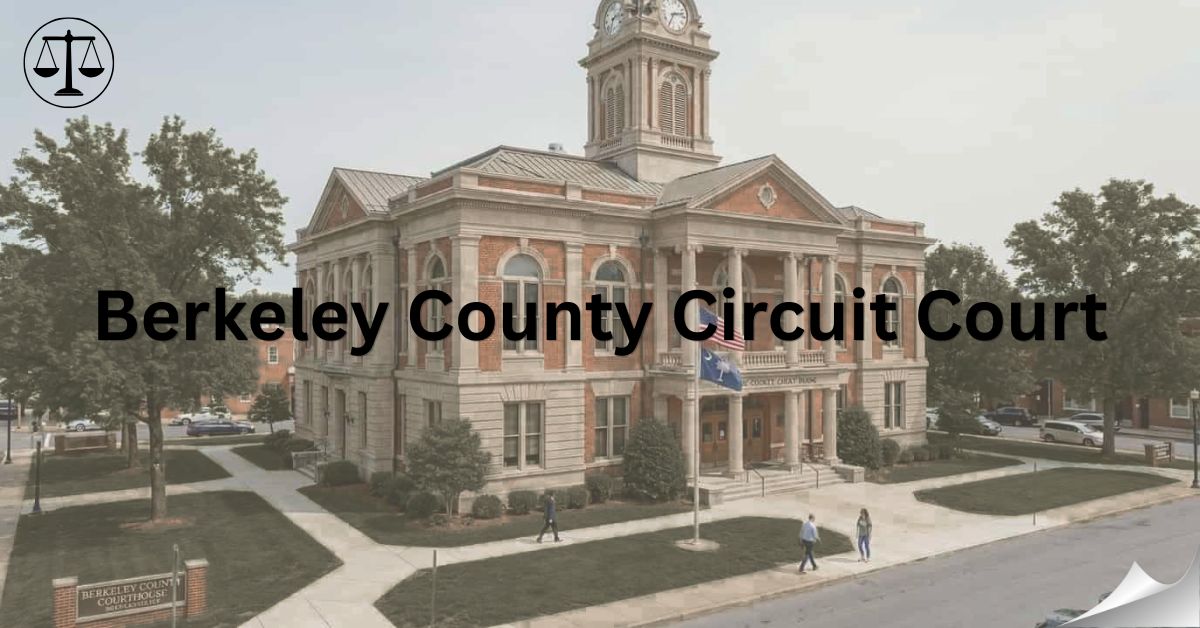
Berkeley County Circuit Court handles major criminal and civil matters within the county judicial system. It is the court where felony trials, serious disputes, and higher-value civil cases are heard under South Carolina law. Many users rely on berkeley county case search and berkeley county court case search tools to review case information, public court records, and judicial records. This court plays a key role in maintaining legal order and recording case outcomes within the court system South Carolina structure. It also supports transparency by keeping structured case data available through official channels for attorneys, residents, and legal researchers.
Circuit Court operates as a primary trial-level court for complex legal matters in Berkeley County. It handles felony offenses, major civil disputes, and selected appeals from lower courts. The system supports public court records and organized case information access through official databases and court filings. This level of court ensures proper handling of serious legal issues under state jurisdiction. It also forms an important part of judicial records management, helping maintain consistency in legal processes. Through structured case handling, it supports accountability and fair resolution within the county’s legal framework.
How to Search Circuit Court Cases in Berkeley County
Circuit court case searches in Berkeley County help users review civil and criminal case details from the county’s legal record system. The Berkeley County circuit court cases lookup process uses structured court records search tools that organize Berkeley Court Records docket information for easy review.
Portal Process
The system follows a fixed flow before showing the case search tool. Each step loads after the previous action is completed.
Open the official portal link
The user clicks the official South Carolina court case records search page: https://www.sccourts.org/case-records-search/ The portal loads the main entry screen with county selection options.
Select Berkeley County
A county list appears on the screen. The user selects Berkeley County from the available options to move forward.
Terms and conditions screen appears
After county selection, a Terms & Conditions page loads. The user reviews the statement and proceeds by accepting it.
Case search tool opens
Once terms are accepted, the system loads the main search interface. This section allows entry of case details for record lookup.
What Circuit Court Records Show
Circuit court records provide structured judicial information linked to higher-level county cases. These details help users track how a case moves through the court system.
These records often include:
- Party names involved in the case
- Case number identification
- Filing dates and court dates
- Case status updates such as open, closed, or pending
- Court orders and judgments when available for public review
- Hearing schedules and docket entries
How Case Searches Are Typically Performed
Most users begin a circuit court cases Berkeley County lookup using basic identifiers. The search system organizes records in a searchable format for quick filtering. The court records search Berkeley County system then displays matching docket entries. Each entry connects to related filings and updates.
Common search methods include:
- Searching by full name of a party
- Entering a case number
- Filtering by date range
- Selecting case type (civil or criminal)
Case Search
Different search inputs produce different results. Using accurate details improves result relevance and reduces unrelated entries.
Most systems require at least one key detail:
| Search Input | Purpose |
|---|---|
| Full Name | Finds cases tied to a person or business |
| Case Number | Direct match for a specific file |
| Filing Date | Narrows results by time period |
| Case Type | Filters civil, criminal, or traffic matters |
Public vs Restricted Case Records
Not all court records appear in public listings. The system separates records based on legal rules. Restricted files remain limited due to privacy protections and court orders.
Public case records may include:
- Civil lawsuits
- Traffic violations
- Non-sealed criminal matters
Restricted records may include:
- Juvenile cases
- Sealed criminal files
- Sensitive family court matters
How Case Status Updates Work
Court systems update case information as proceedings move forward. The docket search process reflects these updates in stages. These updates help users follow case progress without visiting the courthouse.
Typical status updates include:
- Filed – Case officially entered into system
- Pending – Waiting for hearing or action
- Active – Ongoing court proceedings
- Disposed – Case closed after judgment
- Continued – Hearing moved to a later date
Types of Cases Handled in Berkeley County Circuit Court
Circuit court cases Berkeley County include serious criminal matters and higher-value civil disputes. This court handles cases that require formal trials, jury involvement, and detailed legal review. It also deals with matters sent up from lower courts after initial hearings. The Berkeley County circuit court system focuses on felony cases Berkeley County and complex civil and criminal trials Berkeley County. These cases often involve structured evidence review, Public Records witness testimony, and formal judgment procedures. The court plays a central role in serious offense prosecution and civil dispute resolution across the county.
Felony Criminal Cases
Felony matters form a major part of circuit court caseloads. These cases involve serious criminal indictments reviewed under state law. These cases often move through formal indictment processes and may proceed to jury trial cases depending on evidence and plea outcomes.
Common felony cases include:
- Violent crimes such as assault or armed robbery
- Drug trafficking and distribution charges
- Burglary and property-related felonies
- White-collar crimes involving fraud or financial misconduct
Major Civil Cases in Circuit Court
Civil disputes in circuit court usually involve higher financial value or complex legal claims. These cases focus on resolving disagreements between parties. These cases rely on document review, witness statements, and court hearings before a final decision.
Typical civil matters include:
- Contract disputes between businesses or individuals
- Property ownership and boundary conflicts
- Personal injury claims with significant damages
- Business litigation involving financial loss or breach of agreement
Jury Trial Eligible Cases
Many circuit court cases qualify for jury trials, depending on case type and legal rights. Jury participation plays a key role in final decisions for both civil and criminal matters. Jurors evaluate facts presented during hearings and help determine outcomes based on evidence.
Cases often eligible for jury trials include:
- Serious criminal indictments
- Felony-level prosecution cases
- High-value civil dispute resolution matters
Cases Escalated from General Sessions Court
Some cases begin in lower courts before moving into circuit court. This happens when charges or disputes exceed the authority of General Sessions Court. Once transferred, these cases follow circuit court procedures, including formal docket scheduling and trial preparation.
Common escalation reasons include:
- Charges upgraded from misdemeanor to felony
- Complex evidence requiring higher court review
- Appeals or procedural transfers from lower courts
How General Sessions Court Connects with Circuit Court
General Sessions Court in Berkeley County handles early stages of criminal matters before serious cases move forward in the system. It acts as a key step in criminal case progression, especially when charges may rise to felony level. The connection between general sessions court Berkeley County and Circuit Court shows how cases shift based on severity and legal requirements. The system separates misdemeanor vs felony system matters so each case receives the correct level of review and trial authority.
Role of General Sessions Court in Criminal Justice
General Sessions Court deals mainly with criminal filings that involve initial hearings and lower to mid-level offenses. It sets the foundation for how a case moves through the justice process. This stage helps organize criminal case progression before trial-level court involvement.
Key responsibilities include:
- Conducting preliminary hearings for criminal charges
- Reviewing evidence for probable cause
- Handling misdemeanor-level offenses
- Deciding whether cases should proceed further
How Cases Move to Circuit Court
Some cases do not end at General Sessions Court. Instead, they move forward when charges or evidence meet higher legal thresholds. Once transferred, the case follows circuit court procedures with formal hearings, structured dockets, and trial scheduling.
Cases may shift to Circuit Court when:
- Charges are upgraded from misdemeanor to felony
- Evidence supports serious offense prosecution
- A grand jury issues criminal indictments
- The case requires jury trial eligibility
Circuit Court vs General Sessions Court Authority
Both courts serve different roles within the legal system, with clear differences in authority and case severity. Circuit Court holds broader authority, especially in civil and criminal trials Berkeley County involving serious offenses.
| Court Type | Case Level | Function |
|---|---|---|
| General Sessions Court | Misdemeanors and early felony review | Initial hearings and probable cause checks |
| Circuit Court | Felony cases and major civil trials | Full trials, jury cases, and final rulings |
Legal Pathway from Arrest to Trial
Criminal cases follow a structured path through both courts before reaching final judgment. This process keeps case handling organized and consistent. This pathway ensures that serious cases receive proper review at each stage, while minor matters are resolved earlier in the system.
Typical pathway includes:
- Arrest and charge filing
- General Sessions Court hearing
- Preliminary review and evidence check
- Case transfer if severity increases
- Circuit Court trial or resolution
How Circuit Court Trials Work in Berkeley County
Trial proceedings Berkeley County Circuit Court follow a structured courtroom process where both sides present facts before a judge or jury. These proceedings focus on reviewing evidence, hearing testimony, and reaching a lawful decision based on state law. Jury trials Berkeley County are used in many serious criminal and civil matters where facts must be evaluated by citizens. The process balances judge oversight with jury decision-making to reach a final verdict. Each trial follows strict courtroom procedure rules that keep the process organized and fair. Circuit Court trials often involve detailed case preparation before the hearing begins. Attorneys gather records, interview witnesses, and prepare legal arguments. This preparation stage can strongly influence how evidence is presented during trial.
Trial Process in Circuit Court
Circuit court trials follow a clear sequence from opening statements to final judgment. Each stage plays a specific role in courtroom procedure and helps the court evaluate facts in a structured way.
Typical steps include:
- Jury selection (voir dire)
- Potential jurors are questioned by both sides
- Attorneys look for bias or conflict of interest
- A fair jury panel is selected for the case
- Opening statements
- Prosecution outlines the case story first
- Defense presents its response and position
- These statements set expectations for the trial
- Evidence presentation
- Witness testimony is shared under oath
- Documents, photos, and records are submitted
- Cross-examination tests accuracy of statements
- Closing arguments
- Each side summarizes key evidence
- Legal points are reinforced for clarity
- Jury receives final perspective before deliberation
Role of Prosecution and Defense
Both sides play structured roles during trial proceedings Berkeley County Circuit Court. Their job is to present facts clearly and challenge opposing claims within legal boundaries. This structured opposition helps maintain fairness in civil and criminal trials Berkeley County. Each side must follow courtroom rules while presenting arguments to the judge and jury.
Prosecution responsibilities:
- Present criminal indictments and charges
- Prove guilt beyond reasonable doubt
- Call witnesses and present supporting evidence
- Link facts to applicable criminal laws
Defense responsibilities:
- Challenge prosecution evidence and credibility
- Present alternative explanations or alibis
- Protect defendant rights during proceedings
- Highlight gaps or inconsistencies in the case
Jury Selection and Deliberation Process
Jury selection shapes the foundation of jury trials Berkeley County. Selected jurors must remain neutral and base decisions only on evidence presented in court. The selection process removes individuals with potential bias or conflicts. In felony cases Berkeley County, jury decisions carry strong legal weight. A unanimous verdict is often required in criminal matters, depending on case type. This process ensures collective judgment rather than individual opinion.
During deliberation, jurors take an active role in reviewing case details:
- Jurors examine all testimony and exhibits
- They discuss facts privately in the jury room
- They follow legal instructions provided by the judge
- They evaluate credibility of witnesses and evidence
Final Judgment and Sentencing
After a verdict is reached, the judge delivers the final judgment based on jury findings or bench trial outcomes. This stage marks the conclusion of trial proceedings in Circuit Court. The sentencing stage completes the courtroom process and finalizes the legal outcome for all parties involved.
In criminal cases:
- Guilty verdict leads to formal sentencing
- Sentencing may include imprisonment, probation, or fines
- Prior criminal history can influence final penalties
- Not guilty verdict results in immediate release or dismissal
In civil cases:
- Court determines liability between parties
- Financial compensation may be ordered
- Property disputes may be resolved by court order
- Final judgment becomes legally enforceable
Court Filing and Case Entry Process in Circuit Court
A case in Circuit Court begins when a party submits legal documents to start a civil or criminal matter. The file case Berkeley County Circuit Court process follows a structured sequence where filings are reviewed, recorded, and assigned a case number for tracking. Once accepted, the matter enters the official court record system and becomes part of the docket. The civil filing process court works through a formal court documentation process that records complaints, motions, and supporting papers. After registration, the case becomes active within the judicial records system and moves toward hearings or further court action depending on case type.
How a Civil or Criminal Case Begins
Every Circuit Court matter starts with a legal filing submitted by an individual, attorney, or state agency. This initial step sets the legal process in motion and defines the nature of the dispute or charge. Civil cases usually begin with a complaint between parties, while criminal cases begin after law enforcement files charges following an investigation. In some situations, cases may also start through indictments issued by a grand jury or through petitions requesting legal remedies. Once submitted, these filings enter the court documentation process where officials review them for accuracy, completeness, and legal validity before acceptance.
Role of Clerk’s Office in Case Filing
The clerk’s office plays a central role in managing all filings within Berkeley County Circuit Court. It serves as the first point of contact for legal complaint submission and is responsible for processing and maintaining official court records. Every document submitted goes through this office before becoming part of the court system. Staff members verify that all required information is present, including correct formatting, signatures, and filing fees. After verification, the clerk assigns a unique case number and enters the details into the judicial records database. This step ensures that every case is properly tracked and can be retrieved during future court proceedings.
Required Legal Documents for Filing
Filing a case requires specific legal documents that establish the foundation of the claim or charge. A complaint or petition is typically required to explain the issue being brought before the court. In civil matters, this document outlines the dispute and requested resolution, while in criminal matters, formal charges are submitted by the state. Supporting paperwork is also required to strengthen the filing. This may include affidavits, evidence records, summons forms to notify the opposing party, and payment of filing fees or approved waivers. If legal representation is involved, attorney appearance documentation must also be submitted before the case can proceed.
- Attorney appearance notice if a lawyer is representing a party in the case
- Complaint or petition form that outlines the legal issue or dispute
- Summons documents used to notify the opposing party about the case
- Supporting affidavits and sworn statements that validate claims
- Evidence attachments such as records, contracts, or reports related to the matter
- Filing fee payment receipt or fee waiver request form depending on eligibility
Case Registration and Assignment Procedure
Once all documents are approved, the case moves into the registration stage where it becomes an official entry in the Circuit Court system. A unique case number is created for identification and tracking purposes, allowing the court to manage all future updates and filings related to the matter. The case is then entered into the docket system and assigned to a judge or courtroom division based on case type and workload distribution. After assignment, initial hearing dates or procedural schedules are set, and involved parties receive formal notification. From this point forward, the case remains active in the system and proceeds toward hearings, motions, or trial preparation depending on its nature.
Judicial Workflow and Case Progression in Circuit Court
Circuit court case process Berkeley County follows a structured sequence where each matter moves through defined legal stages. The trial case progression starts after filing and continues through hearings, evidence review, and final judgment. Every stage builds the foundation for the next step in the judicial workflow. This process helps the court manage civil and criminal matters in an organized manner. Cases may resolve early through motions or settlements, or continue toward full trial depending on legal arguments and evidence strength.
How a Case Moves Through Court Stages
A Circuit Court case follows a clear path after it is filed and assigned. Each stage focuses on review, preparation, and legal decision-making before moving forward in the trial case progression.
- Case filing and registration into the court system
- Assignment of the case to a judge and docket scheduling
- Pre-trial hearings to address early legal issues
- Motion filings that may shape or limit the case scope
- Settlement discussions or early resolution attempts
- Movement toward trial if no agreement is reached
These stages help the court organize proceedings and reduce delays in civil and criminal matters.
Pre-Trial Motions and Hearings
Pre-trial hearings play a major role in shaping how a case proceeds. Attorneys submit motions that ask the court to decide key legal questions before trial begins. Judges review these motions and issue rulings that can affect what evidence or arguments will be allowed. Common motions and hearings include requests to dismiss charges, suppress certain evidence, or clarify legal issues that may affect trial structure. These decisions often define the direction of the case and can shorten or narrow the trial process.
Evidence Discovery Phase
The discovery phase allows both parties to exchange relevant case information before trial. This step supports preparation and helps each side evaluate the facts and legal arguments involved. This phase often influences settlement discussions and trial strategy because both sides gain a clearer view of the evidence.
- Exchange of documents such as contracts, reports, or records
- Depositions where witnesses provide sworn testimony
- Written questions submitted to the opposing side for response
- Requests for physical or digital evidence related to the case
- Review of police reports, medical records, or financial documents
Appeals and Post-Trial Actions in Circuit Court Cases
Court appeals Berkeley County begin after a final verdict when a party challenges the outcome through a higher court review. The post trial legal process focuses on reviewing legal errors, evidence handling, and courtroom procedure rather than re-trying the entire case. The appellate court system does not hear witness testimony again. Instead, it examines the record from trial court to decide if the judgment followed correct legal standards.
What Happens After a Verdict
After a verdict is issued in Circuit Court, the case does not always end immediately. A short post-trial phase begins where parties may request changes, corrections, or further legal review. This stage can include motions for a new trial or requests to alter judgment based on procedural or legal concerns. If no post-trial motions are filed, the judgment becomes final and moves toward enforcement or appeal eligibility. In many cases, this stage determines whether the matter stays in Circuit Court or moves into the appellate system for further review.
Grounds for Appeal in Circuit Court Cases
An appeal is not a retrial. It focuses on whether legal mistakes affected the outcome of the case. The party filing the appeal must show valid legal reasons for review. The appellate court examines whether these issues impacted the final judgment in a meaningful way.
Common grounds include:
- Misinterpretation or incorrect application of law
- Improper admission or exclusion of evidence
- Jury instruction errors during trial proceedings
- Procedural mistakes affecting fairness of trial
- Insufficient evidence supporting the verdict
Role of Higher Courts in Case Review
Higher courts handle the review of Circuit Court decisions through the appellate process. Their role is to evaluate legal accuracy rather than re-examine factual disputes. During this review, judges study trial records, written arguments, and legal briefs submitted by both sides. They then decide whether to affirm, reverse, or modify the original judgment. This judgment review process helps maintain consistency in how laws are applied across Berkeley County and the broader state system.
Time Limits and Legal Procedure for Appeals
Court appeals Berkeley County follow strict filing deadlines. These time limits begin after the final judgment or after post-trial motions are resolved. Once the appeal is filed, the process moves through structured steps that include record submission, written arguments, and appellate review. Missing deadlines can result in losing the right to appeal. This structured system ensures that legal reconsideration remains focused on fairness and correct application of law.
The post trial legal process usually follows this path:
- Filing a notice of appeal within the allowed time period
- Preparation and transfer of trial court records
- Submission of written legal arguments from both parties
- Review by appellate judges
- Issuance of a written decision
Berkeley County Circuit Court Location and Contact Information
Berkeley County Circuit Court contact details help users connect with the courthouse for case-related inquiries, filings, and administrative support. The court address Berkeley County is used for in-person visits, document submission, and official record handling. Most court services operate through the Clerk of Court office, which manages case files and public records. The courthouse location details also support individuals who need assistance with hearing schedules, filing requirements, or general court procedures. Administrative staff handle inquiries related to civil and criminal matters, while different departments manage records, payments, and scheduling.
Courthouse Location
The Berkeley County Circuit Court operates from the main judicial facility in Moncks Corner, which serves as the county’s primary courthouse complex for civil and criminal trials Berkeley County. This location houses Circuit Court operations along with other county court divisions. Visitors use this site for hearings, filings, and public record requests. Security screening is required at entry, and valid identification may be needed for court access. Parking areas are available near the courthouse building, and directional signage inside the facility helps visitors reach the correct courtroom or administrative office.
Official Courthouse Address:
Berkeley County Judicial Center
300-B California Avenue
Moncks Corner, SC 29461
United States
Clerk of Court Office and Contact Information
The Clerk of Court office manages official court records and serves as the main administrative hub for filings and case updates. It handles document intake, docket maintenance, and certification of court records.
Clerk of Court Contact (Main Office):
Phone: 843-719-4400
Location: Berkeley County Judicial Center, Moncks Corner, SC
This office supports requests related to case status, hearing schedules, and record copies. It also processes new filings and maintains the official court docket system for both civil and criminal matters. Different departments within the clerk’s office assist with specific needs such as civil filings, criminal case records, and financial payments tied to court actions.
Court Hours and Administrative Services
Court operations follow scheduled weekday hours for administrative work, while courtroom sessions run based on judge calendars and case assignments. Visitors can use courthouse services for filing documents, requesting certified records, and checking case information. Staff members direct individuals to the correct department based on their request type. Typical courthouse services include filing legal documents, reviewing docket updates, submitting motions, and obtaining official case copies. Visiting early during business hours helps reduce waiting time and supports faster processing of court-related tasks.
Frequently Asked Legal Questions About Circuit Court Cases
Many people search the Berkeley County Circuit Court FAQ section to find answers about criminal charges, civil lawsuits, court timelines, and case tracking. These court case questions Berkeley County users often ask help clarify how circuit court operates and how public case information is handled.
What Cases Go to Circuit Court?
Circuit Court handles serious criminal and civil matters within the county judicial system. Felony criminal charges usually appear in circuit court, along with larger civil disputes involving property, contracts, or financial damages. The court may hear personal injury claims, business disputes, and appeals from lower courts. This court has broader authority than lower-level courts. Criminal proceedings in circuit court often involve stronger penalties, longer hearings, and formal trial procedures.
How Long Do Felony Cases Take?
Felony case timelines vary based on the charge, evidence review, and court schedule. Some cases move through the system within a few months, while others remain active for much longer. Cases with multiple witnesses or detailed investigations usually take additional time. The process may include arrest records, preliminary hearings, evidence review, motions, trial preparation, and final judgment. Court scheduling and jury availability can affect how quickly the case moves forward.
Can Civil Cases Be Tracked Publicly?
Many civil cases appear in public court record systems where users can review basic docket activity and hearing information. Publicly visible civil records may include contract disputes, property matters, and financial claims filed in circuit court. Some records remain restricted due to privacy laws or sealed court orders. Sensitive information connected to minors or protected parties may not appear in public databases.
What Is the Role of a Jury in Circuit Court?
A jury reviews evidence presented during a court trial and helps decide the outcome of certain cases. Jury members listen to testimony, examine facts, and follow legal instructions given by the judge before reaching a verdict. In criminal matters, the jury determines guilt or innocence. In civil proceedings, the jury may decide liability or financial damages between parties involved in the dispute.
How Do I Check My Court Case Status?
Court case status details are commonly available through online judicial record systems. Users usually search by full name, filing date, or case number to locate active records within the docket search system. The case file may show hearing dates, pending motions, recent filings, or final judgments. Regular case tracking helps users stay informed about schedule updates and court activity connected to the matter.