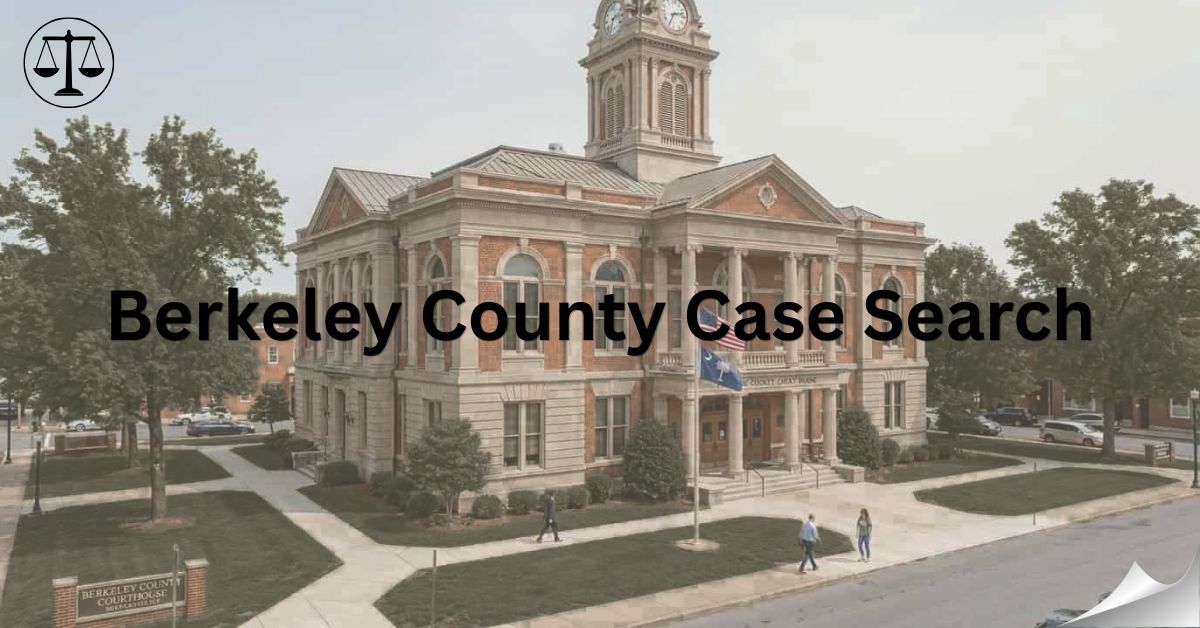
Berkeley County case search helps people review public court records through an online legal database connected with local court systems. The platform gives case information access for civil, criminal, probate, family, and traffic matters. Users can check hearing schedules, filing updates, party names, and current court activity without visiting the courthouse. Many residents use the Berkeley County court case search system to follow active legal matters and confirm court dates. The case finder service supports public transparency by making judicial records easier to review online. Digital court systems now help county courts organize records faster and improve public record searches across different court departments and legal divisions.
The Berkeley County court case search system allows users to perform quick case lookup searches using names, case numbers, or filing details. Public court records may include motions, court orders, hearing dates, judgments, and case status updates. Many users review the online database before hearings or legal deadlines to stay informed about ongoing proceedings. The system saves time since court information remains available online throughout the day. Court users often rely on this service for faster judicial records searches and updated legal information. The online case finder platform supports better record management and improves public trust by keeping court activity visible through organized digital court record systems.
What is Berkeley County Case Search & Its Purpose
Berkeley County case lookup is a digital court record system that helps the public review legal case details through an online database. The platform stores searchable court information from civil, criminal, family, probate, and traffic divisions in one organized system. Many residents use the court case finder Berkeley County platform to review hearing schedules, filing activity, and case progress from home or work. The system uses a structured case indexing system that sorts records by names, case numbers, attorneys, and filing dates. This setup improves digital case tracking and supports faster legal record search results. County courts now depend on electronic databases to manage large amounts of judicial records more efficiently each day.
Purpose of the Berkeley County Court Database
The Berkeley County court database exists to support public transparency and organized record management within the court system. Public court records help residents stay informed about legal proceedings and scheduled hearings connected to different case types. The searchable database reduces the need for in-person courthouse visits and gives faster case information access through online search tools. Many courts now use digital systems to improve accuracy and simplify court database structure for court staff and public users. Businesses, reporters, attorneys, and local residents often review searchable case records for legal research and court updates. The online system creates a more organized process for reviewing judicial records and monitoring ongoing court activity.
Features Found in Searchable Case Records
Many Berkeley County case lookup systems include several searchable features that help users review court information more efficiently. These searchable records support faster court research and improve public visibility into legal proceedings. Many online court systems continue expanding digital services to improve record management and public court communication. Users can often search by case number, party name, hearing date, or filing category to locate specific legal records quickly. Some systems also provide access to court schedules, motion updates, judgment details, and filing history information. Digital court databases reduce paperwork delays and help attorneys, researchers, and the public monitor ongoing legal matters more accurately and conveniently through secure online access.
- Case number search
- Party name search
- Attorney record lookup
- Court hearing schedules
- Case filing updates
- Judgment and order records
- Digital case tracking tools
How the Court Case Finder Berkeley County Helps Users
The court case finder Berkeley County system supports different users who need reliable court information for personal or professional reasons. Attorneys often use digital case tracking systems to review filings, monitor hearing dates, and prepare legal documents before court appearances. Businesses may check public court records during legal reviews or background research connected with contracts and disputes. Residents commonly search records to confirm court schedules, payment deadlines, or legal case updates. The online database saves time by keeping many public judicial records available in one searchable location. Users can perform legal record search functions through different search methods, which helps improve court record organization and makes case lookup faster for daily public use.
Available Case Categories in Berkeley County Records
The Berkeley County case lookup system includes multiple court record categories that help users search different types of legal matters through an online court database. These records are organized by court division, which makes searches easier for residents, attorneys, businesses, and researchers. Many users review specific categories to locate hearing dates, filing updates, judgments, and court actions connected to active or closed cases. The database coverage may vary depending on court rules, public record laws, and record availability within each department. Digital court systems now help county courts maintain more organized judicial records across several legal areas and court operations.
Civil Case Records
Civil records usually involve disputes between people, companies, landlords, contractors, or organizations. These cases may include property disagreements, contract disputes, debt claims, personal injury matters, and small claims actions. The online court database may display filing dates, party names, scheduled hearings, motions, and final court decisions connected to civil disputes. Many businesses and legal professionals use the case lookup system to monitor ongoing lawsuits and review court activity linked with financial or legal claims.
Criminal Proceedings Records
Criminal proceedings involve cases filed after alleged law violations under state or local laws. Public criminal records may contain charge details, court appearances, bond information, sentencing updates, and hearing schedules. The database often helps users follow criminal case progress through digital case tracking features. Court users commonly search these records to confirm hearing dates or review public judicial actions connected to criminal proceedings. Some sensitive or sealed information may remain unavailable through public searches.
Family Law Filings
Family law filings cover legal matters connected with domestic relationships and household responsibilities. These records may include divorce cases, child custody matters, child support issues, guardianship filings, and adoption proceedings. Many users review family court records to monitor scheduled hearings and court orders related to ongoing legal disputes. The online court database may limit certain confidential details to protect private family information and minor children involved in legal proceedings.
Probate and Estate Records
Probate matters involve estate administration, wills, guardianships, conservatorships, and related court proceedings after a person’s death or incapacity. Probate records often contain executor appointments, estate filings, court notices, and hearing information. Attorneys, heirs, and financial representatives frequently review these records through the case lookup system during estate management processes. These records may also include asset distribution details, beneficiary information, probate court orders, and timelines related to estate settlements. Accessing probate case information helps individuals monitor legal proceedings, verify court filings, and stay informed about important updates connected to inheritance and estate administration matters.
Traffic Violations and Municipal Cases
Traffic violations include speeding tickets, parking offenses, license issues, and other driving-related court matters. Many traffic records show citation numbers, payment updates, hearing dates, and court actions connected to driving offenses. The online court database helps drivers review case status and monitor pending traffic proceedings more efficiently. Users may also find information related to fine amounts, traffic court schedules, case resolutions, and license suspension notices. These records help drivers stay informed about legal obligations and upcoming court appearances connected to traffic-related cases.
Search Parameters and Record Identification Methods
The court case finder Berkeley County system uses different search methods to help users locate court records through the online database. These search parameters improve record accuracy and help users narrow large amounts of legal information into more organized search results. Public court systems often allow searches through case numbers, litigant names, filing dates, and attorney details. Each search option serves a different purpose within the case status search process. Users select search methods based on the information they already have available. Digital court databases continue improving searchable record systems to help residents, attorneys, and businesses review court activity more efficiently across multiple court divisions.
Case Number Search
Case number search is one of the most accurate methods within the Berkeley County case lookup system. Every legal case receives a unique court identification number during the filing process. Users who enter the correct case number can quickly review court filings, hearing schedules, judgments, payment details, and ongoing case status updates. This search method reduces unrelated results and improves digital case tracking for active legal matters. Attorneys and court staff often rely on this search option for faster record identification and legal file management. Many online court systems organize records directly through these unique case identifiers to improve database structure and public court record searches.
Filing Date Filter and Attorney Search
Filing date filters and attorney search functions help users narrow search results within the online court database. Filing date filters organize records by specific time periods, which helps users review recent or historical court activity more efficiently. Attorney search tools connect court cases with legal representatives and improve professional case management across multiple court divisions. These search functions improve case status search accuracy and help users locate searchable court records with fewer unrelated results.
- Reviewing recent case filings
- Monitoring ongoing litigation
- Searching attorney-related court records
- Tracking hearing schedules
- Organizing legal research
Litigant Name Search
Litigant name search helps users locate court records connected to a person, business, or legal organization. This method works well when users do not know the exact case number linked with legal proceedings. The database may display civil disputes, criminal proceedings, family law filings, probate matters, and traffic violations connected with the entered name. Common names may produce larger search results within the online court database. Many users improve search accuracy by combining name searches with filing dates or court divisions. Public court systems often use this method for general legal record searches and public judicial record reviews connected with ongoing or completed cases.
Interpreting Case Details and Status Information
The Berkeley County legal case index displays several court details that help users follow legal proceedings through digital case tracking systems. Many court records include status updates, docket entries, hearing schedules, filing information, and court actions connected to active or closed cases. Users often review these records to understand where a case stands within the court process. The online database organizes this information in chronological order so court activity becomes easier to follow. Many public court systems update records regularly after hearings, filings, or judicial decisions connected with ongoing legal matters.
Case Status Meaning
Case status meaning refers to the current stage of a legal proceeding within the court system. Different status labels help users identify whether a case remains active, pending, closed, dismissed, or completed. An active status often means court proceedings are still continuing. A closed or disposed status usually shows the court finished reviewing the matter and entered a final decision or judgment. Pending status updates may appear between hearings, filings, or judicial reviews. Many users monitor these status changes during digital case tracking to stay informed about court progress and upcoming legal actions connected with their records.
Reading Docket Entries and Hearing Information
Docket entries list official court actions connected with a case. These entries may include motions, court orders, hearing notices, attorney filings, payment records, and scheduling updates. Each new filing or judicial action usually appears in the legal case index as part of the court timeline. Hearing schedules often display courtroom locations, hearing dates, and scheduled appearance times for parties involved in legal proceedings. Users commonly review docket entries to track court activity and understand how cases move through different legal stages within the judicial system.
Disposition Status
Disposition status explains the final outcome or resolution of a court case. The court may mark records as dismissed, settled, guilty, not guilty, resolved, or closed depending on the legal decision entered by the judge. These updates help users identify whether additional hearings or court actions remain pending within the case tracking system. In many court databases, disposition details also include judgment dates, sentencing information, fines, probation terms, or compliance requirements. This helps attorneys, researchers, and the public better understand the current legal standing of a case within the official court record system.
Digital Case Records System and Data Accessibility
The Berkeley County online court database stores judicial records through an electronic records system that organizes legal files in digital format. Courts now manage many case documents, filings, hearing schedules, and judicial updates through computerized record systems instead of paper-based storage methods. Digital filings help courts process information more efficiently and improve long-term record organization across different legal departments. The system uses database indexing methods that sort records by case numbers, party names, attorneys, filing dates, and court divisions. This structure improves record retrieval speed and helps users locate court information with fewer search errors within the public records system.
Electronic Records System and Database Structure
The electronic records system connects multiple court divisions within a centralized database structure. Court staff upload legal filings, court orders, hearing notices, judgments, and status updates directly into the online court database after court activity occurs. Many public access portal systems organize records in chronological order so users can review case progress more clearly. Database indexing improves search accuracy and supports faster public record searches across large amounts of legal information. Attorneys, businesses, and residents often rely on these systems to review searchable court records without making repeated courthouse visits for document reviews or case tracking purposes.
Record Retrieval and Public Access Portal Features
The public access portal helps users perform record retrieval tasks through online search functions connected with court databases. Many users search records by case number, litigant name, attorney details, or filing dates to locate legal information more efficiently. The system often displays hearing schedules, docket entries, case status updates, and digital filings connected with active or closed proceedings. Many court databases receive real-time or near real-time updates after hearings, filings, or judicial actions occur within the legal system. This process helps users monitor current court activity and review updated records more quickly through organized digital court platforms.
Case Record Availability and Access Limitations
The online case search Berkeley County system provides public court information through digital databases, but some records remain unavailable for legal and privacy reasons. Courts separate public records from protected records to maintain data security and follow privacy regulations connected with sensitive legal information. Many court users can review hearing schedules, docket entries, filings, and case status updates through the online database. Certain documents or full case files may remain hidden from public searches when courts apply legal restrictions or confidentiality protections. Public court systems use these limitations to balance transparency with personal privacy rights connected with judicial records and legal proceedings.
Public Records and Searchable Court Information
Public records usually include court information that state laws allow people to review through court databases. These records may contain civil disputes, traffic violations, criminal proceedings, probate matters, and many general court filings connected with legal actions. The online case search Berkeley County platform helps users locate searchable court records through case numbers, litigant names, filing dates, and attorney details. Many courts publish basic case information while limiting sensitive personal data from appearing within public search results. Court systems often remove protected details such as financial account information, medical data, and information connected with minors from searchable records to support safer public record management.
Restricted Records and Confidential Filings
Restricted records and confidential filings remain unavailable through standard public court searches. Privacy regulations help courts control how confidential legal information appears within online databases and public record systems. Sealed cases usually remain hidden from general public searches unless a court grants legal permission for record review. Courts may seal certain cases to protect personal privacy, ongoing investigations, juvenile information, victim safety, or sensitive legal matters.
Common examples of protected records include:
- Juvenile court proceedings
- Adoption records
- Mental health filings
- Sealed criminal cases
- Protected victim information
- Confidential family law documents
Legal Restrictions and Database Limitations
Court databases follow legal rules that control which judicial records remain public and which records stay protected. Some online systems may display partial information instead of complete documents for restricted cases. Public users may review limited case details, filing dates, or status updates without seeing full legal filings. These restrictions help courts maintain data protection while continuing to support public record transparency through digital court systems. Access rules may vary by court type, jurisdiction, and case category. Certain confidential matters, including juvenile, sealed, or sensitive family cases, often remain unavailable to the general public through online court record search systems.
Location and Contact Information
Users searching through the Berkeley County court case search system may sometimes need direct help from the courthouse or clerk’s office for record clarification, filing support, or hearing information. Court staff often assist with public record requests, payment questions, document copies, scheduling details, and courtroom directions connected with active legal matters. Many users contact the court directly when online records appear incomplete, restricted, or unavailable within the digital database. The clerk’s office may provide public assistance for court filings, certified copies, and case status questions connected with civil disputes, criminal proceedings, probate matters, family law filings, and traffic violations.
When Users Should Contact the Court Directly
Many court users contact the courthouse when they need help with case-related issues that may not appear in the online system. Direct communication with the clerk’s office may help users confirm hearing schedules, request certified court copies, verify payment information, or ask about restricted filings. Attorneys, businesses, and residents often contact court staff for updated judicial information connected with active legal proceedings. The clerk’s office may provide support for civil disputes, criminal proceedings, probate matters, family law filings, and traffic violations through available public assistance services.
- Address: 300 California Avenue, Moncks Corner, SC 29461
- Contact: (843) 719-4519
- Office Hours: Monday through Friday, usually between 8:00 AM and 5:00 PM
Frequently Asked Questions
The Berkeley County case search system helps users review public court records through an organized online court database. Many residents, attorneys, businesses, and researchers use the case lookup system to check hearing schedules, filing activity, docket entries, and case status updates connected with legal proceedings. Public court databases support faster record searches and improve transparency within digital court operations. The following frequently asked questions explain how the online system works, what search details users may need, and why some judicial records remain restricted from public visibility within the legal database.
How can I perform a Berkeley County case search online?
Users can perform a Berkeley County case search online through the public court database connected with county judicial records. The system usually allows searches through case numbers, litigant names, attorney details, or filing dates depending on available court records. Many people use the online court database to review hearing schedules, filing updates, and current case status information connected with active legal proceedings.
What details are required for a court case lookup?
A court case lookup usually requires basic legal information to help the database locate matching records within the public court system. Many users search records through case numbers since this method often provides the most accurate search results. The online court database may support searches through litigant names, filing dates, attorney details, and court division categories connected with legal proceedings. Public users often combine different search filters to narrow broader results and improve case tracking accuracy.
Can I search Berkeley County court cases by name?
Yes, many public court databases allow users to search Berkeley County court cases by entering a person’s name, business name, or organization details. Name-based searches help users locate records when the exact case number remains unavailable during a legal record search. The online court database may display civil disputes, criminal proceedings, probate matters, family law filings, and traffic violations connected with matching names. Common names may produce larger search results within the system.
Is the case search system available to the public?
The case lookup system remains available to the public for many non-confidential court records stored within the online court database. Residents, attorneys, journalists, and businesses often review searchable judicial records connected with hearings, filings, and legal proceedings through public search portals. The database helps users review case status updates, docket entries, hearing schedules, and filing activity from different court divisions. Public record systems improve transparency and support organized digital case tracking for court users.
Why are some case records not visible online?
Some case records remain unavailable within the online court database because courts must protect sensitive legal information through privacy regulations and restricted record policies. Courts may seal certain filings connected with juvenile proceedings, adoption matters, mental health cases, confidential family law filings, or protected victim information. The case lookup system separates public judicial records from confidential filings to maintain legal privacy and court security standards. Many online databases display limited case information instead of full documents for protected records.